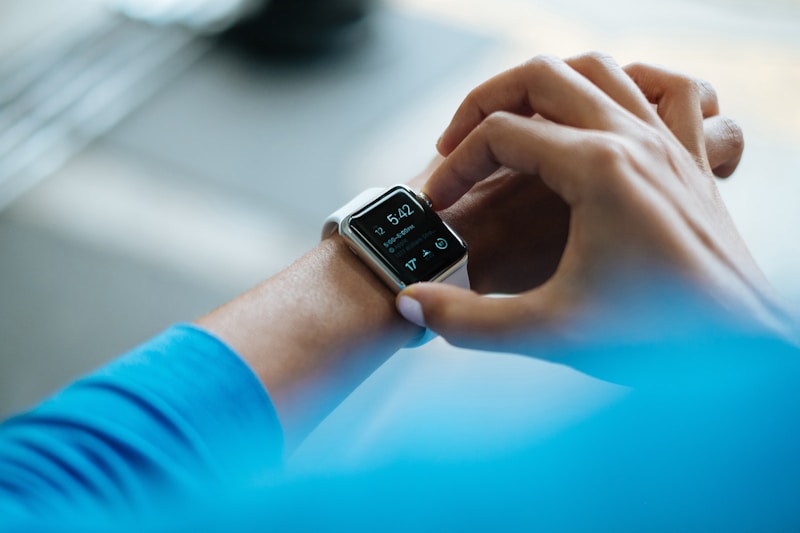
The promise of the Apple ecosystem is simple: your devices work together seamlessly, keeping your data, preferences, and workflows synchronized across all your hardware. But achieving this seamless integration requires proper setup and understanding of how Apple's various sync technologies interact. After 15 years of Mac training and helping hundreds of clients build Apple ecosystems, I've developed a comprehensive framework for getting every device singing in harmony.
Understanding the Apple Sync Architecture
Apple's ecosystem sync isn't a single technology—it's a layered system of services and protocols that work together. Understanding these layers helps you troubleshoot issues and optimize your setup.
The Four Pillars of Apple Sync
- iCloud: Cloud-based data synchronization for files, photos, documents, and app data
- Continuity: Device-to-device features like Handoff, AirDrop, and Universal Clipboard
- Continuity Services: Specific features like Sidecar, Continuity Camera, and Universal Control
- Device Management: Settings and preferences that sync across devices
iCloud: Your Foundation
iCloud is the backbone of Apple device sync. It stores your data in Apple's cloud and keeps it synchronized across all your devices. Let's walk through proper iCloud setup and configuration.
iCloud Storage Tiers
Apple provides tiered storage options:
- 5GB Free: Includes iCloud Drive, iCloud Photos (optimized), and iCloud backup. Very limited—barely sufficient for system settings sync.
- 50GB ($0.99/month): Adequate for most users with Photos backup and document sync
- 200GB ($2.99/month): Good for families or users with large photo libraries. Can be shared among family members.
- 2TB ($9.99/month): Power user tier for professionals with massive photo/video libraries
- 6TB ($29.99/month): For serious media professionals
- 12TB ($59.99/month): Maximum tier for those with extensive media needs
Setting Up iCloud on Your Mac
- Open System Settings on your Mac
- Click your name/Apple ID at the top
- Click "iCloud"
- Review each option and enable what you need
- For iCloud Drive, click "iCloud Drive" and configure "Sync this Mac" and "Desktop & Documents Folders"
iCloud Drive Configuration
The most important iCloud decision is whether to sync Desktop and Documents folders. This enables seamless file access across devices:
- Files you put on your Desktop are accessible from your iPhone via Files app
- Documents created on one device appear on all devices
- Requires sufficient iCloud storage
- Offline files are automatically downloaded when accessed
What Syncs Through iCloud
Understanding what's synchronized helps you configure properly:
Data That Syncs Automatically
- Photos: If iCloud Photos is enabled, your entire library syncs (optimized versions on devices, full resolution in iCloud)
- iCloud Drive: Files stored in iCloud Drive are accessible on all devices
- Messages: iMessages and SMS sync across all devices signed into same Apple ID
- Contacts: Automatically synced to all devices
- Calendars: Events and calendars sync across all devices
- Reminders: Lists and reminders sync in real-time
- Notes: Notes app content syncs including folders and formatting
- Safari: Bookmarks, reading list, and open tabs sync
- Passwords: iCloud Keychain syncs passwords and credentials securely
- Health Data: Health app data syncs between iPhone and Apple Watch
- Wallet: Apple Pay cards and passes sync
Settings That Sync
Many system settings sync via iCloud:
- Display preferences
- Keyboard preferences
- Dictation preferences
- Finder preferences
- Network settings
- Application preferences for supported apps

Continuity: Seamless Device-to-Device
Continuity features enable your devices to work together as if they were one. Here's what you need to know:
Handoff
Handoff lets you start work on one device and continue it on another. For Handoff to work:
- All devices must be signed into same iCloud account
- Bluetooth must be enabled on all devices
- Wi-Fi must be enabled on all devices
- Handoff must be enabled in System Settings > General > AirDrop & Handoff
Universal Clipboard
Copy text or images on your iPhone, paste on your Mac. Same requirements as Handoff. One of the most practically useful features for daily workflow.
AirDrop
While not strictly sync, AirDrop transfers files between nearby devices. Works between any Apple devices with Bluetooth and Wi-Fi, even without internet connection.
Continuity Camera
Use your iPhone as a webcam for your Mac. Requires macOS Ventura and iOS 16 or later on compatible devices.
Sidecar
Use your iPad as a second display for your Mac. Wireless connection allows flexible workspace configurations.
Family Sharing: Syncing for Families
Family Sharing extends ecosystem benefits to multiple people:
What Family Sharing Shares
- App purchases: Paid apps can be shared among family members
- iCloud Storage: 200GB and 2TB plans can be shared among family
- Location sharing: Family members can see each other's locations
- Apple Music: Family plan shares one subscription
- Screen time: Parents can manage children's device usage
Setting Up Family Sharing
- Open System Settings on Mac (or Settings on iPhone)
- Click your name/Apple ID
- Click "Family Sharing" or "Family"
- Follow prompts to invite family members
- Each member accepts invitation on their device
Common Sync Problems and Solutions
After years of troubleshooting Apple sync issues, here are the most common problems and their fixes:
Issue: Photos Not Syncing
Photo sync issues are the most common I see:
- Verify iCloud Photos is enabled on all devices
- Check that all devices have sufficient iCloud storage
- Check for "Upload Successful" in Photos settings
- Try disabling and re-enabling iCloud Photos on problematic device
- For Mac: Check System Settings > Apple ID > iCloud > Photos is enabled
Issue: Contacts Not Appearing on All Devices
If contacts are missing on some devices:
- Verify all devices are signed into same iCloud account
- Check System Settings > Apple ID > iCloud > Contacts is enabled
- On Mac, verify Contacts app > Settings > Accounts shows iCloud
- Try signing out of iCloud and back in on problematic device
Issue: Calendar Events Missing
Calendar sync problems:
- Same checks as contacts—verify iCloud Calendar is enabled
- Check that the calendar isn't hidden in Calendar app preferences
- For shared calendars, ensure you've been invited to the correct calendar
- Time zone settings can cause issues—ensure all devices have correct time zone
Issue: Messages Not Syncing
Message sync requires specific setup:
- Open Settings > Messages > Send & Receive on iPhone
- Ensure "You can be reached for messages at" includes your email/phone
- Enable "iMessage" and ensure your Apple ID is signed in
- On Mac, open Messages > Settings > iMessage and ensure same settings
- Enable "Messages in iCloud" in both locations for full sync
Optimizing Your Sync Settings
More sync isn't always better. Here's my recommendation framework:
Essential Sync (Leave On)
- Photos: If you take photos on multiple devices
- iCloud Drive: If you work across multiple devices
- Contacts: Almost always essential
- Calendar: If you use calendar on multiple devices
- Messages: If you want message continuity
- iCloud Keychain: If you want password sync (secure and convenient)
Optional Sync (Configure Based on Needs)
- Desktop & Documents: Enable if you want file sync, but requires careful storage management
- Notes: Enable if you use Notes app
- Reminders: Enable if you use Reminders app
- Safari: Enable if you use Safari on multiple devices
Consider Carefully
- News: Reading history and preferences sync
- Maps: Location history and favorites
- Wallet: Payment cards sync across devices

Security and Privacy in iCloud
Apple takes privacy seriously in iCloud:
- End-to-end encryption: iCloud uses end-to-end encryption for sensitive data (passwords, health data, Apple Pay)
- Two-factor authentication: Strongly recommended for all Apple IDs
- Data minimization: Apple only stores what's necessary for sync
- iCloud Private Relay: (iCloud+ subscribers) Encrypts web browsing
Enabling Two-Factor Authentication
If you haven't already:
- Go to appleid.apple.com
- Click "Sign In"
- Complete the setup wizard
- On your devices, approve the verification when prompted
Storage Management Strategies
iCloud storage fills up quickly. Here's how to manage it:
Checking iCloud Storage
On any device:
- System Settings > Apple ID > iCloud
- You'll see a visual bar showing storage used by category
- Click "Manage" for detailed breakdown and options
Optimizing iCloud Photos
If Photos is consuming too much space:
- Enable "Optimize Mac/iPhone Storage" in Photos settings
- This keeps full resolution in iCloud while using smaller versions on devices
- Full resolution available whenever you need it
iCloud.com Access
Access your iCloud data from any browser:
- Go to icloud.com
- Sign in with your Apple ID
- Access Photos, Drive, Contacts, Calendar, Notes, Find My, and more
- Useful for when you don't have access to your devices
My Ecosystem Configuration
Here's my actual daily ecosystem setup:
Devices
- MacBook Pro 14-inch M3 Max: Primary workstation
- iPhone 15 Pro: Always in pocket
- iPad Pro 12.9-inch: Secondary display and reading
- Apple Watch Ultra 2: Daily wear
iCloud Configuration
- 200GB Family Plan: Shared with spouse, sufficient for all our devices
- iCloud Photos: Enabled on all devices with Optimize enabled
- iCloud Drive: Desktop & Documents enabled
- Messages in iCloud: Enabled
- iCloud Keychain: Enabled
Continuity Configuration
- Handoff: Enabled everywhere
- Continuity Camera: Enabled for MacBook
- Sidecar: iPad configured as secondary display
- Universal Clipboard: Always used (copy iPhone, paste Mac)
When Things Go Wrong: Complete Reset
If sync issues persist, a more thorough approach:
Step 1: Sign Out and Back In
- System Settings > Apple ID > Sign Out
- Restart device
- Sign back in with Apple ID
- Re-enable desired sync options
Step 2: Reset Network Settings
On iPhone: Settings > General > Transfer or Reset > Reset Network Settings
On Mac: Toggle Wi-Fi off and on, or use Network Diagnostics
Step 3: Contact Apple Support
If issues persist, Apple Support can investigate iCloud account issues that aren't visible to users.
Conclusion
A properly configured Apple ecosystem is genuinely magical. Your photos appear everywhere, your files are accessible on any device, your messages follow you, and your work flows seamlessly between machines. But achieving this requires proper setup and understanding of how the pieces fit together.
Take time to configure your iCloud settings thoughtfully. More sync isn't always better—enable what you need and manage storage proactively. The goal is a frictionless experience where you forget you're using multiple devices because they all work as one.
If you haven't reviewed your iCloud settings recently, I encourage you to open System Settings today and verify everything is configured optimally. A few minutes of setup can save hours of frustration and ensure your ecosystem works when you need it most.

Related Articles